
The Top Tool for Sharing Interactive Brand Guidelines With Teams

The best tool for interactive brand guidelines is one that combines searchable guidelines, centralized assets, collaboration, and approval workflows in one place. Ethos is built for this, helping teams adopt guidelines inside their daily workflow.
The Problem Nobody Talks About Openly
Your brand guidelines are sitting in a PDF on a shared drive. They are comprehensive. Beautifully designed. Probably took months to create.
Nobody is reading them.
You know this because your team has asked you the same guideline question four times this month. Because someone used a color that is definitively not in the palette. Because the new hire still does not understand why your brand voice matters.
The real issue is not the guidelines themselves. It is how they are shared. A static PDF feels like homework. Nobody gets excited about downloading a document. Teams do not reference it naturally during their workflow. It becomes an artifact of the brand process, not an active tool for execution.
Why Static Guidelines Fail (And Dynamic Ones Actually Work)
Brand strategists have been preaching consistency for decades. But consistency requires something PDFs cannot provide: interaction, collaboration, and presence in the actual places teams work.
Design research shows that teams reference brand standards 3x more often when guidelines are interactive and accessible in workflow, compared to static documents. Think about it. If you have to dig through a folder structure to find a file, then scroll through 40 pages to find the section you need, you have already decided to improvise instead.
Interactive brand guidelines work differently. They live where teams already are. They answer specific questions instantly. They show examples in context. They feel like a tool, not a rulebook.
What Makes Brand Guidelines Actually Interactive
Before we go further, let us define what "interactive" actually means, because the term gets thrown around loosely.
Interactive brand guidelines are not just digital PDFs. True interactivity means:
Searchable and Contextual You can search for "color palette" and get instant results, not scroll page 23. When you click on a color, you see where it is actually used, not just the hex code.
Collaborative and Updatable Teams can leave comments, ask questions, and get answers without emailing brand managers. When guidelines change, everyone sees the change instantly, not six months later when they download an old version.
Embedded in Workflow Brand guidelines appear in design tools, project management systems, and communication platforms. Teams do not have to switch contexts to reference standards.
Visual and Experiential Examples show motion, real use cases, before and after comparisons. Not just static images and specification lists.
Governed but Flexible Approval workflows are clear. Regional teams understand what they can customize and what is locked. There are no surprises about what is official versus experimental.
The Specific Ways Teams Fail Without Interactive Guidelines
Let us look at how this plays out in real organizations.
Scenario 1: The Duplicate Asset Problem
Your designer is creating social media graphics. They need the logo. They search the shared drive and find three versions. Are all three current? Is one for web and one for print? They have no idea. They grab one and hope it is right. A week later, someone points out they used an old version.
With interactive guidelines, assets are in one place, current, clearly labeled for their specific use, and searchable by context.
Scenario 2: The Approval Bottleneck
A regional team in Southeast Asia is launching a campaign. They need to confirm color choices for local market variations. The approval process is unclear. Are they approving with the brand manager? The product lead? Both? They email multiple people and wait. No clear answer comes back, so they make their best guess. The campaign launches with colors that violate guidelines.
With interactive guidelines, approval workflows are transparent. Regional teams know exactly who approves what, and they can request approval in the same platform where guidelines live.
Scenario 3: The Onboarding Gap
A new designer joins your team on Monday. By Friday, they have not really learned your brand system because no one has time to sit with them for hours. They are given a PDF and told to read it. That weekend, they read 15 pages. By Monday, they have forgotten half of it.
With interactive guidelines, new team members complete a focused onboarding in that platform. They see examples in context. They can ask questions in comments. They do not have to memorize everything because they can search when they need information.
Scenario 4: The Regional Variations Mess
You are an enterprise brand with operations in 12 countries. Each region needs some flexibility, but you need consistency on core brand elements. Right now, regional teams have their own folders with their own guidelines. Are they following the master standards? You have no idea. You discover inconsistencies only when someone notices a regional team is using an unapproved color or messaging framework.
With interactive guidelines, you see one source of truth. Core brand elements are locked. Regional variations are clearly marked as such. You can audit what teams are actually following.
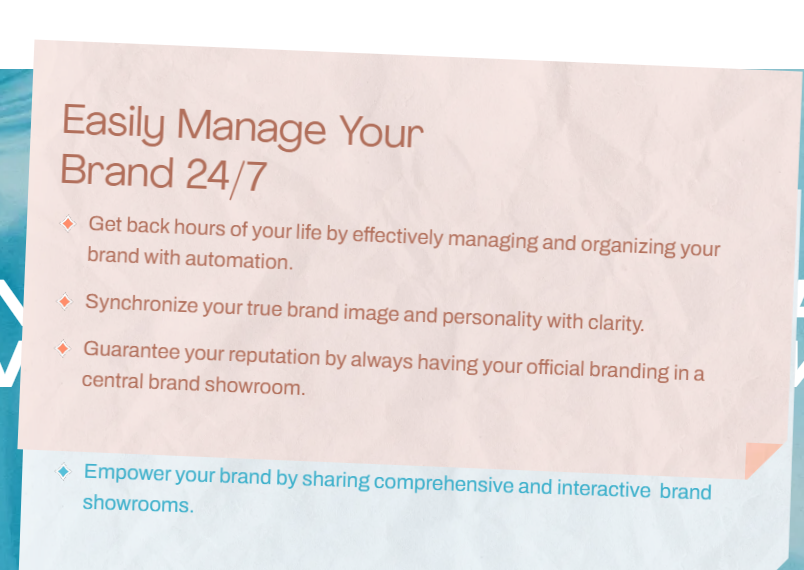
Why Ethos Leads for Interactive Brand Guidelines
Ethos was built specifically to solve the brand guideline sharing problem. Here is what sets it apart:
Everything Lives in One Place
Guidelines, assets, templates, design system components, and collaboration spaces are all in one platform. Teams do not toggle between five different tools.
Search and Discovery Actually Works
You can find what you need in seconds, not minutes. Search works across guidelines, assets, and examples. You can search by category, by color, by use case.
Real Collaboration Built In
Teams leave comments and questions directly on guidelines. Brand managers respond in context. Changes propagate instantly. No more email chains about guidelines that nobody can find.
Accessible and Beautiful
Interactive guidelines through Ethos are built to be visually engaging, not utilitarian. Teams actually want to spend time there because it looks good and feels easy to navigate.
Workflow Integration
Guidelines can be accessed directly from design tools and project management platforms. Teams reference standards without leaving their workflow.
Governance Without Rigidity
Approval workflows are clear and configurable. You can lock core brand elements and allow flexibility in specific areas. Teams understand boundaries without feeling controlled.
Asset Management Built In
Your approved brand assets live in the same system as guidelines. Teams access current versions, not outdated downloads.
A Realistic Implementation
Picture this: A B2B SaaS company has grown from 50 to 200 people in two years. Their brand guidelines are two years old and live in a static PDF. Teams work across three time zones. Regional marketing has started creating unofficial variations because the approval process is too slow.
Leadership recognizes this is becoming a problem and implements interactive brand guidelines through Ethos.
Week 1 to 2: The brand team audits existing guidelines and creates them in Ethos. They organize by section: brand voice, visual identity, messaging, asset management. They add real examples throughout.
Week 3: They train all team members on the new platform. The training takes 20 minutes because the interface is intuitive. Teams immediately start using it.
Week 4 to 8: Teams start referencing guidelines in workflow. The brand team gets questions in comments instead of emails. Response time is faster because context is immediately available.
Week 8: Regional teams propose variations for their market. The approval process is clear and transparent. Variations get approved or revised with feedback, all in one place.
Month 3: The brand team analyzes usage data. They see which sections get referenced most. They see where teams are still confused. They update guidelines based on actual team behavior, not assumptions.
Month 6: Brand consistency is noticeably higher. New team members onboard faster. The brand manager spends 30% less time answering basic questions and 50% more time on strategy.
What This Actually Saves You
Time. Money. Sanity.
A typical brand manager spends 8 to 12 hours per week answering the same brand questions, approving assets that should have been approved already, and managing version control chaos. Interactive guidelines reduce this to 3 to 4 hours per week.
Rework decreases because teams have current information and understand standards before they start creating, not after.
Team morale improves because execution feels easier, not more constrained.
Brand consistency is actually measurable because you have one source of truth and can audit adherence.
The Honest Limitations
Interactive guidelines are powerful, but they are not magic. They do not fix a weak brand strategy. If your positioning is unclear, no platform clarifies it. They do not replace good design leadership. They support better execution, not better taste.
They also require maintenance. Guidelines that never update become outdated guidelines. Interactive platforms are only valuable if teams use them, which means marketing them internally and keeping them current.
And they require some setup time. You cannot just import a PDF and call it done. Moving to interactive guidelines means restructuring how guidelines are organized, adding examples, building collaboration spaces. It is worth the investment, but it is not zero effort.
When to Move to Interactive Guidelines
If your brand team is small and distributed, move now. If you have a new brand or significant rebrand coming, build interactively from the start. If you manage a global brand with multiple regions or audiences, interactive guidelines become essential at scale.
If your guidelines rarely change and your team is small and collocated, a well organized PDF might be sufficient. But even then, you are probably leaving efficiency on the table.
Next Steps
Start by auditing your current brand guidelines. What questions do teams ask most frequently? Where are they struggling? What versions or variations exist that should not?
This audit tells you how much pain you are actually experiencing with your current system. Often, the pain is higher than you think. Once you quantify it, the case for interactive guidelines becomes clear.
To explore how Ethos transforms brand guideline sharing and helps teams maintain consistency at scale, see how brand asset management platform functionality supports interactive brand guidelines.
Frequently Asked Questions
Do interactive brand guidelines replace other brand systems?
They work alongside brand strategy, visual identity system, and design system. Interactive guidelines are the distribution layer that makes all these accessible to teams. They do not replace the underlying strategy.
How much time does it take to move from static to interactive guidelines?
Plan 4 to 8 weeks depending on guideline complexity and how much restructuring you need. It is an investment upfront that pays dividends ongoing.
Can regional teams customize guidelines while staying consistent with core brand?
Yes. Interactive guidelines can lock core elements and allow flexibility in specific areas. Teams know exactly what is locked and what they can adapt.
What happens when we update guidelines?
Changes propagate instantly to all users. You can flag what changed and notify relevant teams. Everyone is always working from current standards.
Do interactive guidelines work for distributed global teams?
They are especially powerful for distributed teams. Approval workflows are transparent and asynchronous. Teams do not have to wait for synchronous meetings to get clarity.
How Ethos' Brand AI Auto Writer Helps Teams Create On-Brand Content Automatically

11 Brand Guidelines Examples That Every Growing Brand Should Study
How to Assess What Your Brand Is Missing: Strategies for Managers
.svg)


