
10 Excellent Examples of Small Business Branding
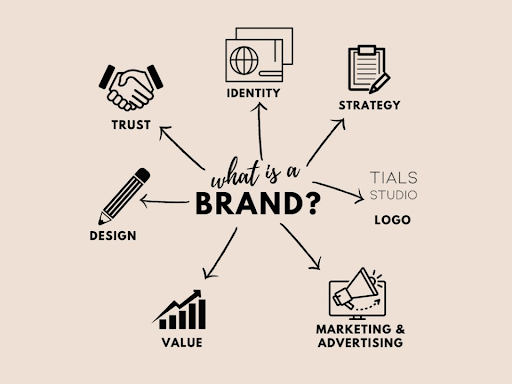
Why do some small businesses instantly feel trustworthy while others fade into the background even when their products are just as good? The answer usually comes back to branding. Not just logos or pretty colors, but the entire experience customers feel every time they interact with the business. A consistent brand can increase revenue by up to twenty percent, and customers are more likely to buy from a company they remember clearly. Most small businesses still struggle to reach that level, which is why exploring strong small business branding examples helps us understand what actually works. These examples show what becomes possible when a founder understands the story they are telling, when a marketing manager keeps assets organized, when a designer maintains consistency, and when a CFO views branding as an investment rather than a cost.
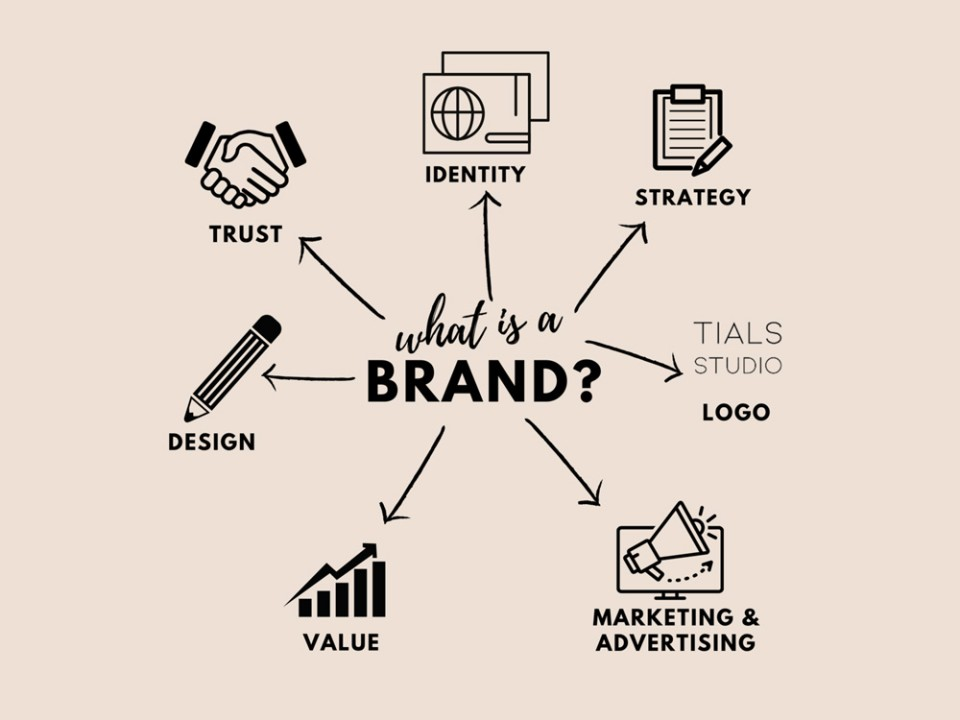
Small business branding examples highlight how even lean teams can craft world-class clarity. Each example below reveals something different, from visual identity to customer experience to digital execution.
1. Jeni’s Splendid Ice Creams: Personality that never breaks character
Jeni’s is one of the most admired small business branding examples in the United States because every detail feels intentional. The pastel colors, the handwritten typography, the whimsical flavor naming, and the warm photography all deliver emotional consistency. Nothing feels random or rushed.
For CMOs, this shows how a strong brand personality becomes scalable when its core identity is well defined. For founders, Jeni’s proves that leaning into playful quirks can create differentiation. Designers and creative teams appreciate how tight the brand library is because it reduces version chaos and speeds up campaign execution.
2. Warby Parker: Modern simplicity that removes friction
Warby Parker grew from a startup into a household name, yet the brand still feels clean, human, and refreshingly simple. The minimal color palette, straightforward copy, and crisp photography all work together to create a frictionless shopping experience.
Warby Parker is an excellent small business branding example for companies trying to position themselves as modern and efficient. The identity carries through packaging, emails, digital flows, and the retail experience. Customers feel guided rather than overwhelmed.
3. Glossier: Emotional branding powered by community
Glossier began as a beauty blog and evolved into an industry-defining brand because it built emotional intimacy before products. Their branding is soft, conversational, and inclusive. The visuals feel approachable, and the tone feels like a friend rather than a company.
Glossier is a strong example for CMOs and founders because of its disciplined storytelling. Everything speaks the same emotional language. For design teams, Glossier’s mood boards provide a great reference for balancing softness with clarity.
4. Beardbrand: Turning a niche into a lifestyle
Beardbrand turned men’s grooming into a lifestyle category. Their branding communicates confidence and craftsmanship with clean typography and high contrast visuals. They use educational content as part of their identity, making their brand an authority, not just a retailer.
This is one of the best small business branding examples for niche brands. Focus and clarity became Beardbrand’s biggest strengths, especially when supported by well-organized brand assets. Their identity does not try to appeal to everyone. Instead, it speaks directly to the modern bearded customer.
5. Magic Spoon: Nostalgia reimagined for adults
Magic Spoon uses nostalgia as a branding engine. Their bright packaging, playful illustrations, and bold storytelling make healthier cereal feel fun again. Every element, from product naming to web design, reinforces the same energetic world.
Magic Spoon is proof that consistency does not have to be serious to be effective. A playful identity becomes premium when executed with precision.
6. Allbirds: Minimalist design anchored in honesty
Allbirds built a clean brand around sustainability and comfort. The typography, natural colors, and simple messaging create immediate trust. They do not try to impress with flashy visuals. Instead, they use clarity and transparency to guide the customer.
From a financial perspective, Allbirds shows how a lightweight brand system reduces long-term costs. For founders, it shows how mission-led branding can support a premium price point.
7. Liquid Death: Extreme differentiation with cultural impact
Liquid Death took a basic idea, selling water, and turned it into a cultural phenomenon. Their heavy metal-inspired artwork and humor create instant recognition. They chose a bold brand position and executed it with full commitment.
This brand is a perfect example for disruptors who need to break category norms. Creative teams love the freedom. Marketing teams appreciate the viral potential. CFOs appreciate the lower-paid media dependency.
8. Chubbies Shorts: Humor as a branding strategy
Chubbies uses humor as its signature identity. Their copy is funny, their visuals are exaggerated, and their content feels like a conversation with a friend. The brand energy is consistent across every channel.
Chubbies demonstrates how tone can become an operational advantage. When your brand voice is clear, content creation moves faster and feels more natural for teams.
9. Blue Bottle Coffee: Premium minimalism executed with precision
Blue Bottle Coffee shows how powerful a minimalist identity can be. The brand uses calm colors, precise typography, and a simple bottle icon that has become instantly recognizable.
For enterprise leaders, Blue Bottle is a masterclass in scaling without drift. For small founders, it proves that restraint can elevate perception.
10. The Farmer’s Dog: Personalization with emotional clarity
The Farmer’s Dog combines modern design with warm storytelling. Their visuals focus on real dogs and families. Their tone is friendly, expert, and reassuring. This makes customers feel cared for before they ever make a purchase.
This example highlights how personalization and consistency can reduce churn while increasing trust.
Core Lessons from These Small Business Branding Examples
Across all ten examples, three patterns repeat.
- They know their audience.
- They know the emotional experience they want to deliver.
- They maintain visual and messaging consistency across every channel.
These are not creative luxuries. They are operational advantages. A scattered brand slows teams down. An aligned brand accelerates execution, which is why strong brand guidelines become an operational advantage. Most small businesses struggle because assets are scattered, guidelines are ignored, and teams operate with too many outdated files.
The brands above succeed because they treat branding as a system, not a project.
How to Apply These Lessons
You do not need a large team to build a consistent, high-performing brand. Start by tightening your visual basics, auditing your messaging, cleaning your asset library, and using tools that simplify brand governance.
The goal is to create a brand that feels unmistakable, reduces creative friction, and builds customer trust every time it shows up.
These small business branding examples prove that clarity and consistency are not reserved for big companies. They are growth levers available to every team. When your assets are unified, your guidelines are accessible, and your team is aligned, branding becomes a multiplier rather than an expense.
If you want your brand to operate with this level of confidence and speed, step into a platform that keeps everything organized in one place. No version chaos, no outdated files, no scattered assets.
Your next step is simple. Explore a smarter way to manage and scale your brand.
Start here: https://www.yourethos.io/

How Ethos' Brand AI Auto Writer Helps Teams Create On-Brand Content Automatically

11 Brand Guidelines Examples That Every Growing Brand Should Study
How to Assess What Your Brand Is Missing: Strategies for Managers
.svg)


