
Small Business Branding: 12 Effective Strategies
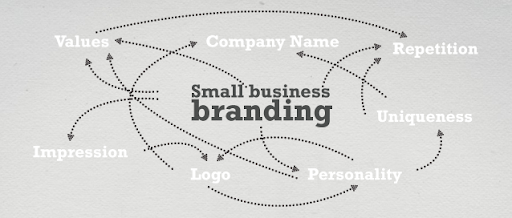
What separates a small business that grows every quarter from one that stays stuck in the same place year after year? Many founders, CMOs, designers, and even CFOs quietly suspect the same thing. The real edge is not another ad, a new logo, or a trend-driven campaign. The question is simple: What makes a small business brand unforgettable in a world overflowing with choices? The answer sits in the first few seconds of a customer interaction. A strong brand creates clarity, emotion, recognition, and trust long before a sale ever happens.
Small business branding is the hidden operating system behind growth. Done well, it guides every message, every design decision, every landing page, every campaign, and every team. Done poorly, it creates wasted ad spend, inconsistent designs, and fractured customer experiences that hurt conversion rates. This guide breaks down twelve practical, modern, and ROI backed strategies to build a brand that feels consistent, scalable, and unmistakably yours.
1. Build a Brand Foundation That Is More Than a Logo
A logo is a symbol. A brand is a promise. This difference decides how customers interpret every touchpoint. When your brand foundation is clear, your marketing becomes sharper, your team becomes more aligned, and your campaigns become more efficient.
Start with four essentials: a clear message, a unique value proposition, a personality that feels human, and a visual identity that matches your target market. For enterprise-level CMOs, this foundation reduces agency back and forth. For small business owners, it keeps execution fast and affordable. For designers, it sets the rules that make creativity scalable instead of chaotic.
A strong brand foundation acts like the blueprint of a home. Without it, teams start guessing, wasting time recreating assets, writing in different tones, and producing work that competes with itself instead of supporting growth.
2. Create a Consistent Visual Identity Across Every Channel
Consumers make quick judgments. A Stanford study found that seventy-five percent of people judge a business’s credibility based on design quality. That is why consistent visuals are not a luxury; they are a trust-building system.
Small business branding needs a simple, repeatable visual identity that includes colors, typography, imagery style, spacing rules (learn how to choose the right color palette here), and logo variations. When your Instagram graphics, website banners, sales decks, and product packaging do not look related, your brand loses recognition value. Consistency multiplies impact. It makes every impression stronger than the last.
For design teams, this saves time and avoids version chaos. For marketing teams, this keeps campaigns tight and recognizable. For operations leaders, this reduces the cost of redoing assets over and over again.
3. Use Brand Storytelling to Make Your Business Memorable
Facts attract the mind. Stories attract the heart. The most successful small business branding strategies blend both. Humans are wired to remember narratives. When you explain why your business exists, who you serve, and what problem you solve in a person’s day, the message becomes personal.
Think about iconic U.S. brands like Warby Parker and Ben and Jerry’s. Their stories anchor every product decision and every customer interaction. A strong brand story gives your audience a reason to choose you even when competitors look similar.
Founders often underestimate the influence of their own journey. Sharing your mission, challenges, and values makes your brand relatable. A good brand story acts like gravity. It keeps customers close and keeps competitors from sounding like you.
4. Build a Brand Voice That Feels Human and Easy to Recognize
Your voice shapes how people feel when they read your emails, your ads, your website copy, and even your internal documentation. A brand voice should be clear, consistent, and aligned with your identity. This brand messaging guide supports that clarity
If you are selling home renovation services, your voice may feel warm and trustworthy. If you are selling a tech SaaS, your voice may feel modern, simple, and confident.
Marketing teams love brand voice guidelines because they take the guesswork out of writing. Creative teams love them because they make campaigns faster. Startups love them because they keep messaging focused when resources are tight.
A recognizable brand voice becomes a competitive advantage. It turns ordinary content into signature communication.
5. Create a Clean, Searchable Brand Asset Library
The number one cause of branding inconsistency is scattered assets. Logos live in old email threads, updated templates hide on someone’s laptop, brand guidelines sit forgotten in a PDF.
A clean brand asset library solves this. Teams know exactly where to find the latest logo, fonts, imagery, templates, and campaign files. Designers stop remaking graphics. Agencies stop sending the wrong version. Marketers stop hunting through endless folders.
Platforms like Ethos help small businesses centralize brand assets, cut wasted hours, reduce mistakes, and maintain brand consistency with zero friction. For CFOs, this translates directly to cost savings. For CMOs, this improves execution speed across agencies and partners. This is the power of effective brand asset management.
When your brand is easy to access and impossible to mess up, everything that follows becomes smoother.
6. Build a Simple Design System That Scales With Your Team
Small businesses often hit a wall when they grow. They outgrow their early design style but do not yet have a large creative department to support a full design system. The solution is a lightweight, modular design system that sets clear rules without locking creativity.
Your system should cover buttons, spacing, typography scale, card layouts, color combinations, and common components you use repeatedly. Whether you are designing ads, landing pages, or decks, a design system reduces inconsistencies and speeds up production.
Agencies appreciate it when clients have simple rules that keep everything cohesive. Internal teams appreciate that they do not have to reinvent layouts every week. A design system helps your brand look professional even when deadlines are tight and budgets are limited.
7. Deliver Consistent Brand Experiences Across Touchpoints
A brand is not built by a marketing team alone. It is shaped by every interaction, from customer support tone to website UX flow, to packaging design, to social media comments. Every touchpoint either strengthens trust or weakens it.
Small business branding should aim for unified experiences. If your ads feel premium but your website looks outdated, the message breaks. If your in-store experience feels warm but your emails sound robotic, the story falls apart.
CMOs call this experience alignment. Small business owners call it common sense. Both are right. The more aligned your touchpoints are, the stronger your brand becomes in the customer’s memory.
8. Focus on Positioning That Makes You the Only Logical Choice
Positioning is not about describing your business. It is about defining where you stand in the customer’s mind. Weak positioning makes brands sound interchangeable. Strong positioning makes choosing your brand feel like the most natural decision.
Ask yourself three questions. What problem do you solve better than anyone in your category? What makes customers trust you faster? What emotional benefit does your brand deliver consistently?
Look at U.S. examples like Dollar Shave Club and Airbnb. They positioned themselves with clarity, personality, and category disruption. Small business branding becomes powerful when your positioning is sharp enough to attract the right people and repel the wrong ones.
9. Use Brand Guidelines That Teams Actually Follow
Most businesses have brand guidelines. Very few have guidelines that people actually use. The difference lies in usability. Guidelines should be simple, visual, and practical. They should include examples for real-world scenarios such as social posts, ads, landing pages, and email templates.
When guidelines are easy to understand, employees and partners follow them naturally. Strong guidelines lead to fewer revisions, fewer inconsistencies, and fewer brand mistakes. For CFOs, this directly reduces the cost of inefficient work.
A brand guideline is not a rule book. It is an empowerment system that helps teams produce great work confidently.
10. Leverage Customer Insights and Data Within Your Branding
Branding is not only creative. It is deeply analytical. Understanding customer behavior, search intent, and conversion patterns helps shape messaging that resonates.
CMOs rely on this to build growth strategies. Startups rely on it to stay lean and effective. Designers rely on it to create visuals that match the customer’s expectations.
Data informs tone, visuals, copy, and even product positioning. For example, if data shows customers drop off on mobile, your branding needs cleaner mobile layouts. If customers respond emotionally to founder stories, your brand narrative becomes an asset. Data turns branding from guesswork into strategy.
11. Create Content That Builds Brand Equity Over Time
Content is one of the most powerful small business branding tools. Educational blogs, case studies, email sequences, social content, and product guides all shape how customers perceive your brand.
High-quality content builds trust. It positions you as an authority. It makes marketing cheaper because organic traffic compounds over time. A single useful article can bring in warm leads for years.
When your content answers real customer questions, the brand becomes the helpful guide they return to repeatedly. This creates loyalty before a purchase is ever made.
12. Streamline Collaboration With Better Brand Workflows
Branding falls apart when workflows are messy. Files bounce between departments. Designers wait for approvals. Marketing teams use old versions. Agencies get incomplete assets. All of this slows campaigns and increases cost.
Small business branding works best when collaboration is simple. Set approval flows. Use shared templates. Centralize all assets. Track version history. Ensure partners and freelancers have the right files from day one.
This reduces stress for marketing managers who live under deadlines. It reduces frustration for designers who want clarity. It reduces uncertainty for CFOs who want predictable execution. A smooth brand workflow is not just about operational efficiency. It is a competitive advantage.
Build a Brand That Works While You Sleep
A strong brand is not a luxury for large companies. It is the growth engine behind every successful small business. When your brand is consistent, clear, accessible, and memorable, everything becomes easier. Your ads convert better. Your team works faster. Your customers trust you quickly. Your entire company becomes more efficient.
Great branding is not a single project. It is a system that keeps paying you back long after the work is done.
If you want to build a brand that grows with you, scales with your team, and removes the chaos from asset management, now is the moment to take action.
Ready to transform your brand into a streamlined, consistent, high-performing growth system? Explore Ethos and see how effortless branding can become.
This is the moment to upgrade your brand from something your team manages to something your team relies on confidently.

How Ethos' Brand AI Auto Writer Helps Teams Create On-Brand Content Automatically

11 Brand Guidelines Examples That Every Growing Brand Should Study
How to Assess What Your Brand Is Missing: Strategies for Managers
.svg)


